




















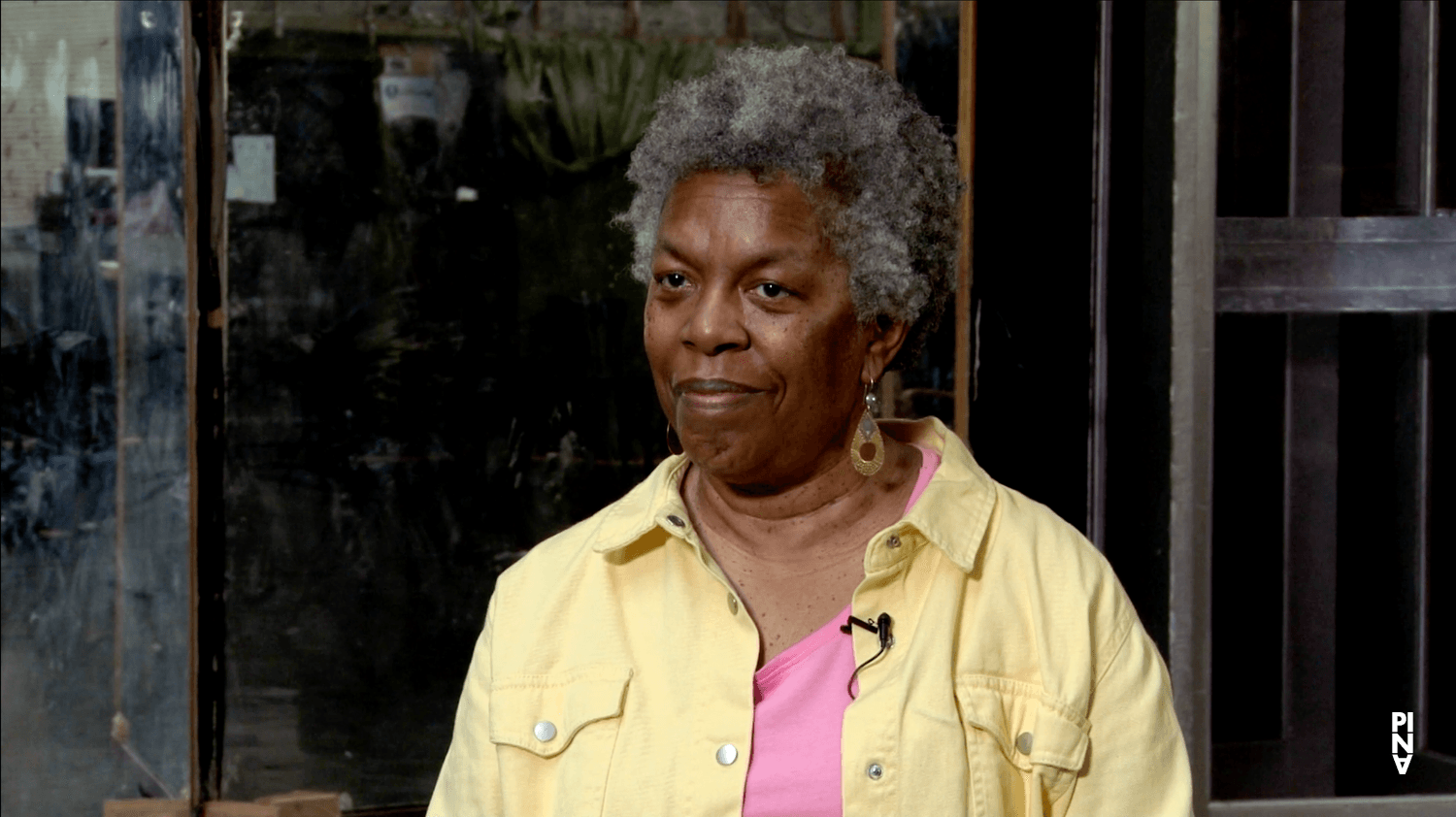
Elisabeth Clarke

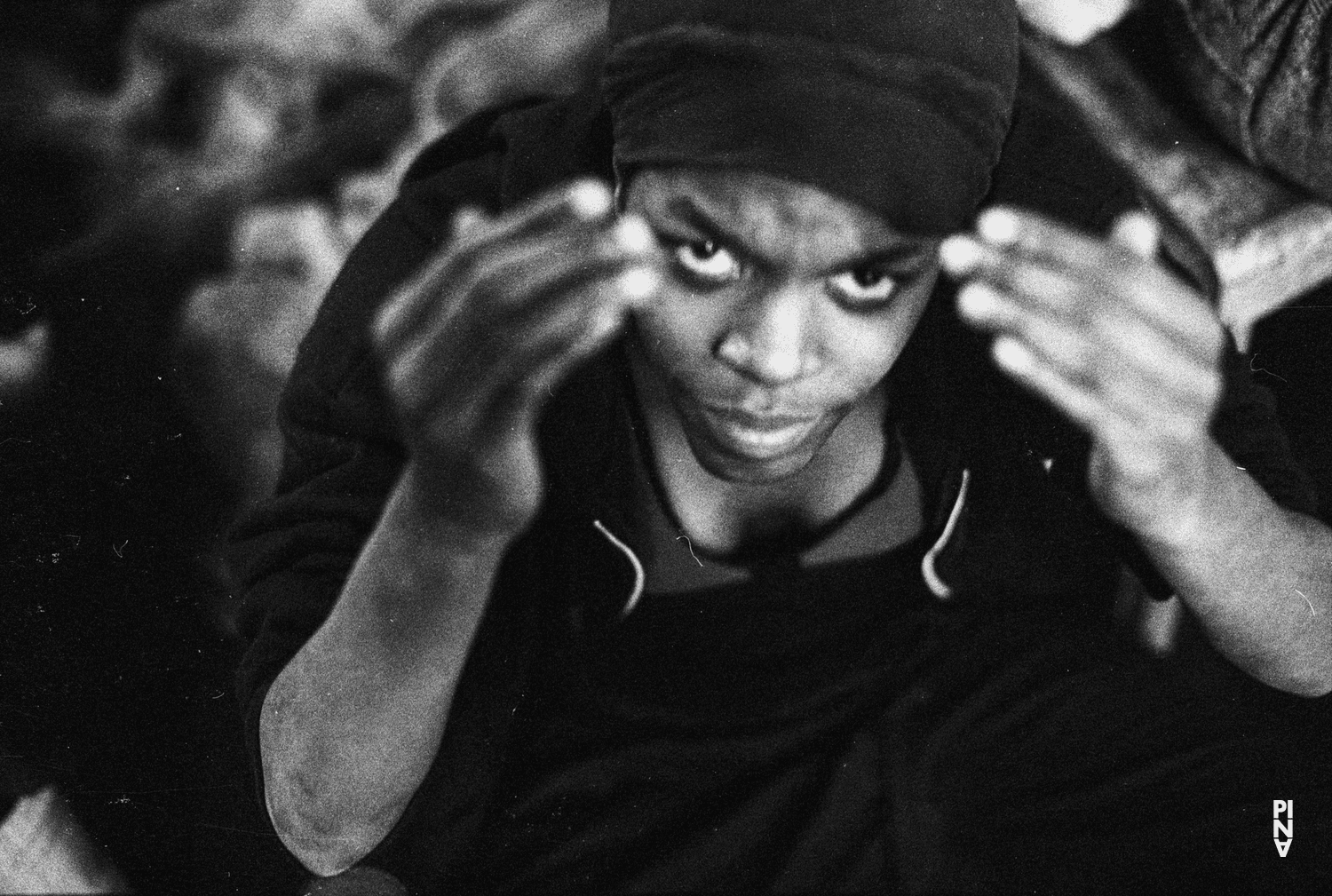
Elisabeth Clarke in “Bluebeard. While Listening to a Tape Recording of Béla Bartók's Opera "Duke Bluebeard's Castle"” by Pina Bausch, season 1976/77
Information
| Since season 1976/77 | begin of collaboration with Pina Bausch |
| Until season 1978/79 | becoming an ensemble member |
Biography
Elisabeth Clarke was born in 1953 in the American town of Berlin, New Jersey. Her mother introduced her to the world of art at an early age, taking her to concerts, ballets, plays, and sending her for ballet lessons with the Russian teacher Maria Swoboda, encouraging her daughter’s penchant. Elisabeth felt at home in the studio. Dance and theatre were her world. In 1961 she continued her ballet training at the Philadelphia Dance Academy, then received a grant for the School of the Pennsylvania Ballet. From 1967 she studied at the North Carolina School of the Arts where her teachers included Duncan Noble and Robert Lindgren.
New York and an influential encounter
In 1969 she was accepted into the School of the American Ballet Theatre in New York and performed in repertoire pieces by the Dance Theatre of Harlem, directed by Arthur Mitchell. She also continued her involvement in theatre, begun at the Philadelphia Children’s Repertory Theater, at Poor People’s Theater, a street theatre campaigning for the civil rights of African Americans. A touring performance from Maurice Béjart had a huge impact on her, schooled as she was in George Balanchine, opening up a whole new perspective on ballet. Again it was her mother who encouraged Elisabeth to attend an audition at the Brooklyn Academy of Music for Béjart’s newly founded school Mudra, in Brussels. In 1971 she began a course there, studying ballet and modern dance along with singing, acting, yoga, flamenco and improvisation. Béjart became a mentor to Elisabeth, revealing a whole artistic cosmos to her, in which dance did not aim to create beauty, but reflect the existing beauty of the world, and express a deep humanity. By now a soloist in Béjart’s company, in 1974 she met the German composer Karlheinz Stockhausen, which led to a sixteen-year collaborative relationship. As a soloist, she performed in works of his including Inori and Licht. From him she learned the importance of precision in artistic expression and the realisation of ideas.
From Brussels to Wuppertal
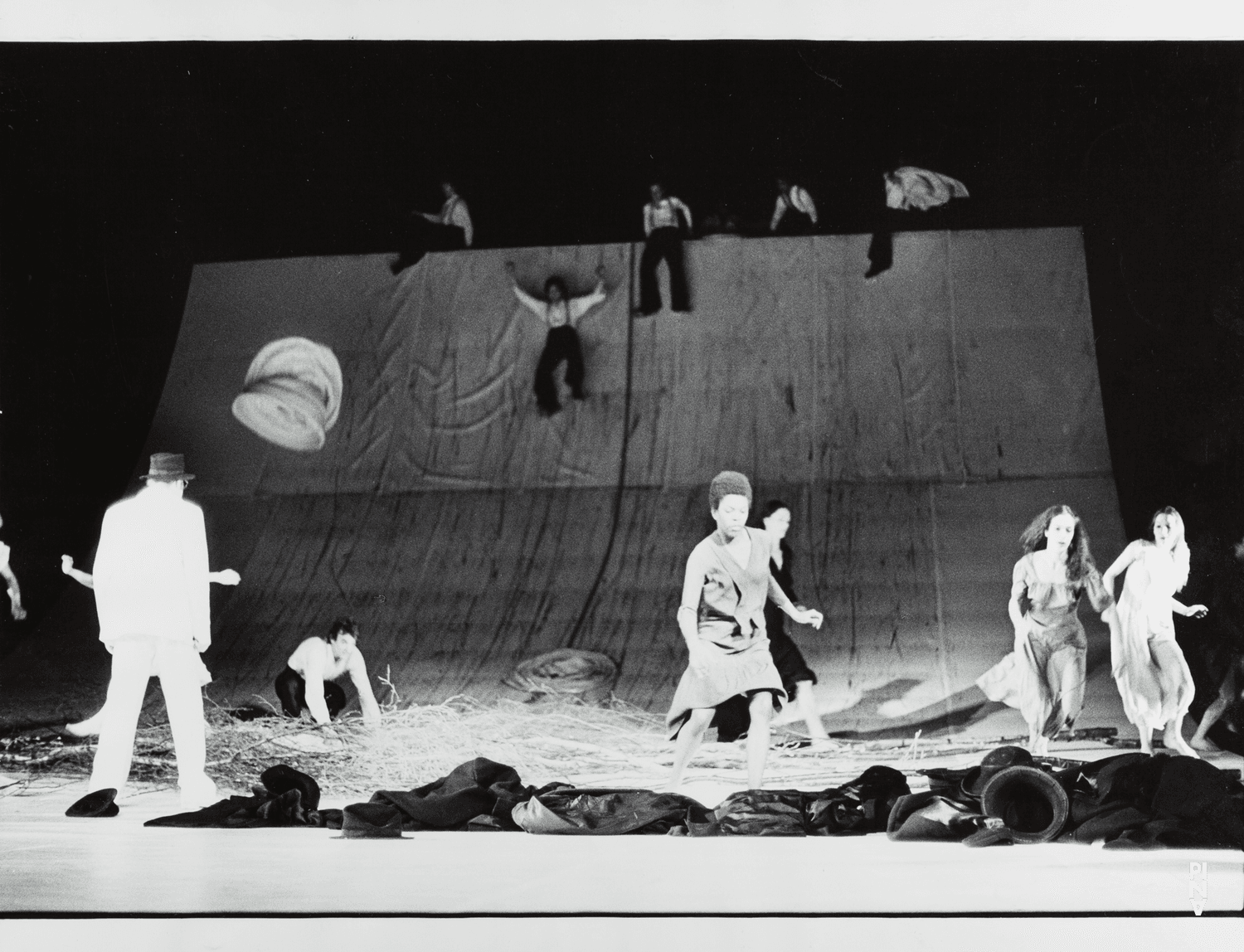
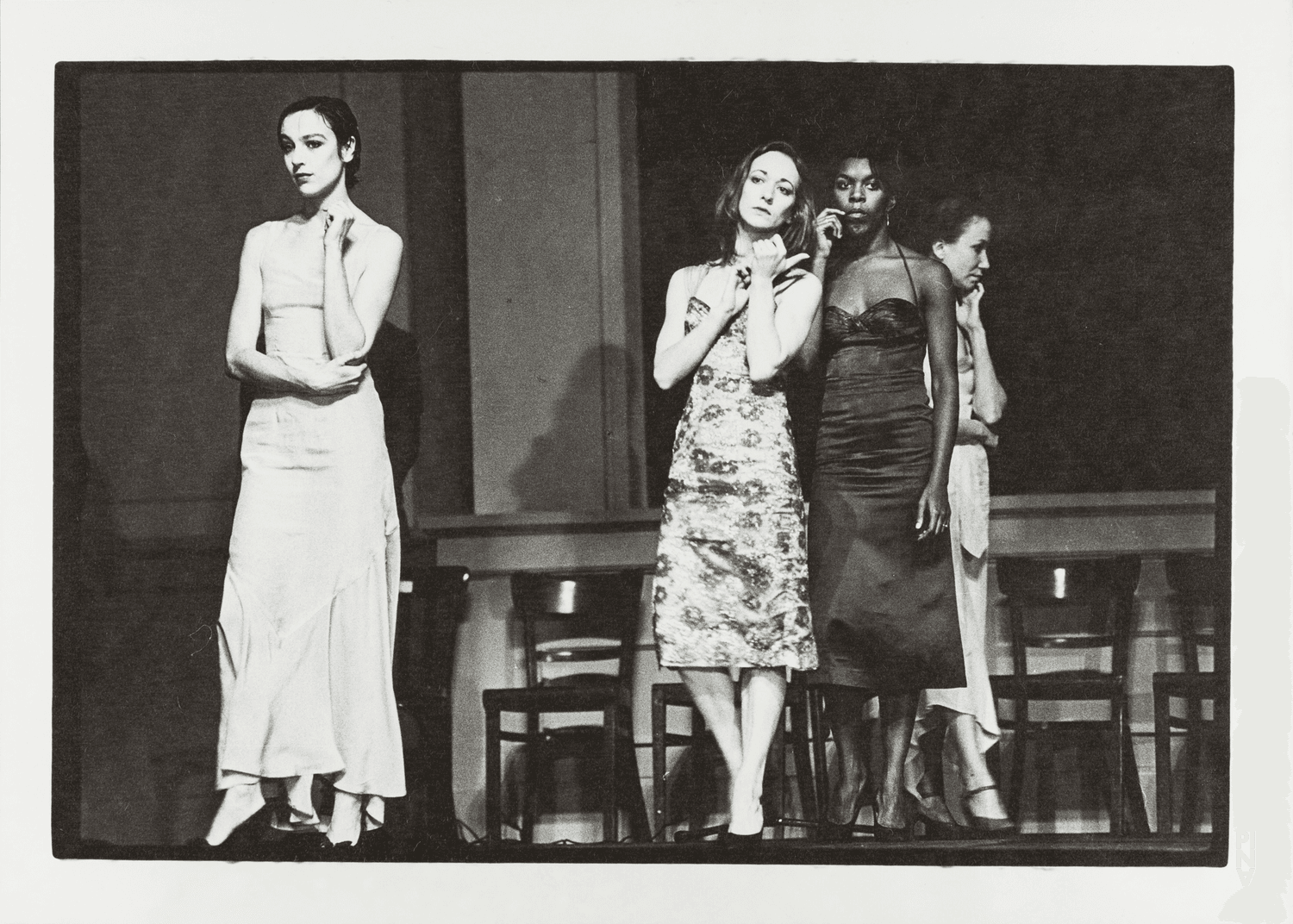
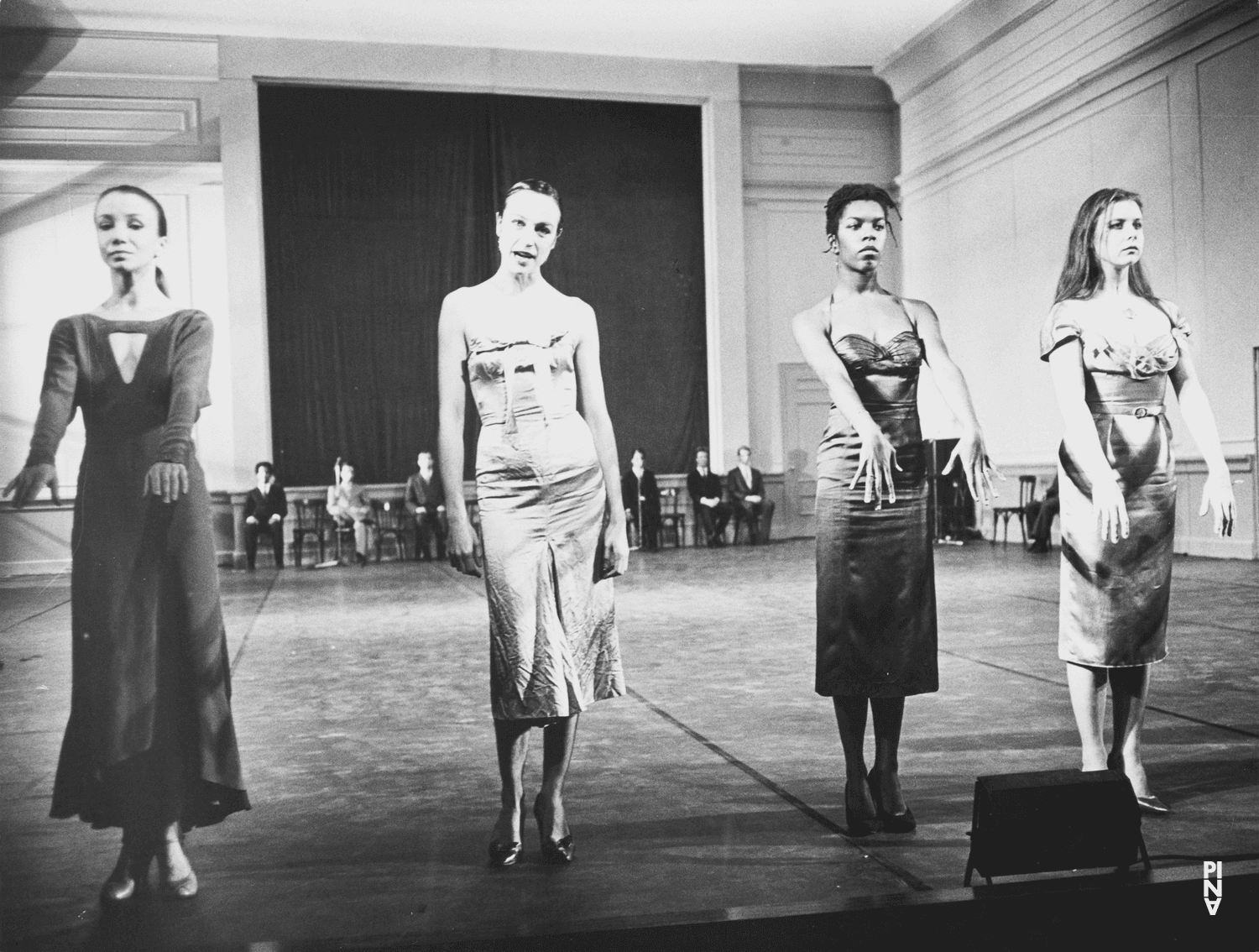
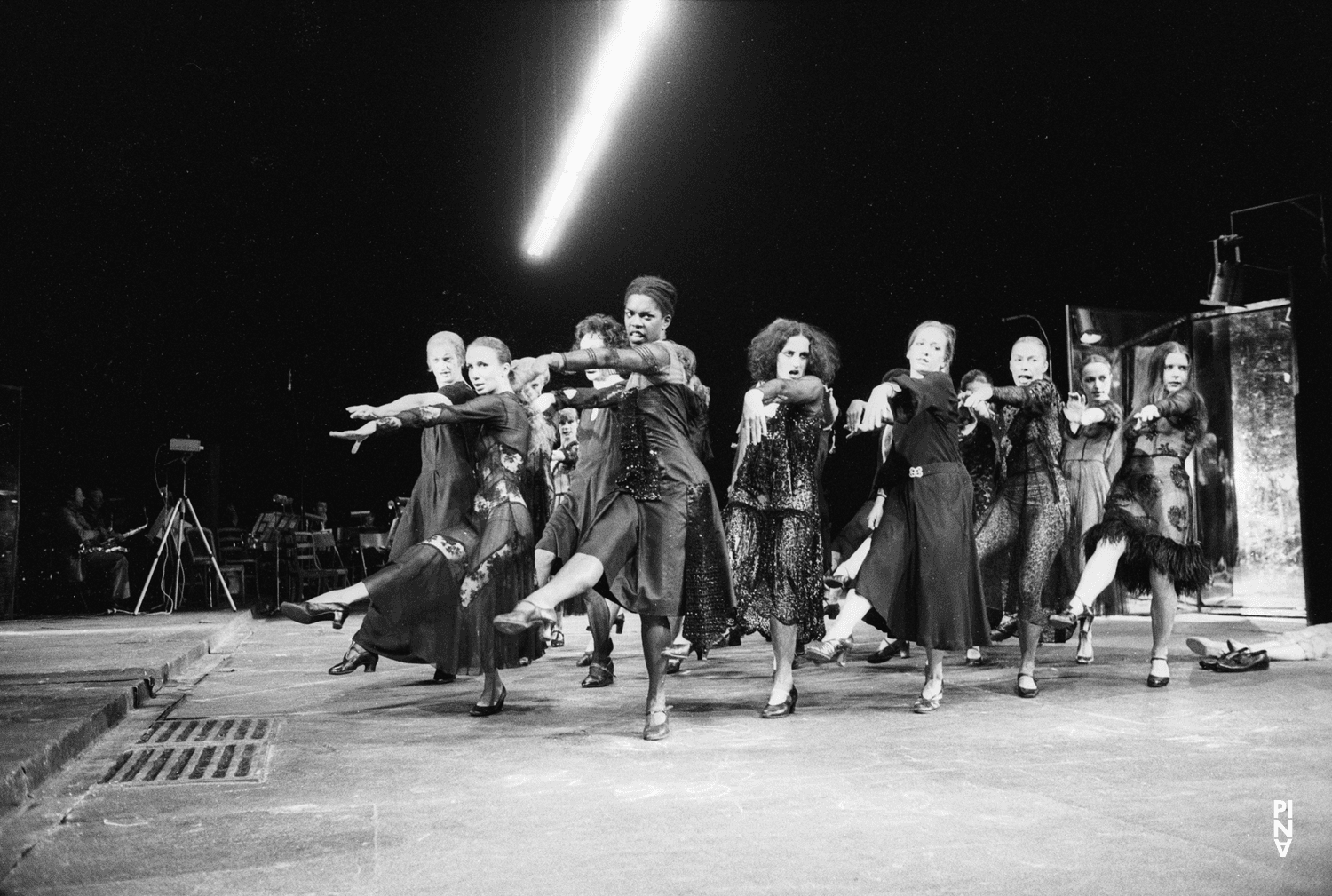
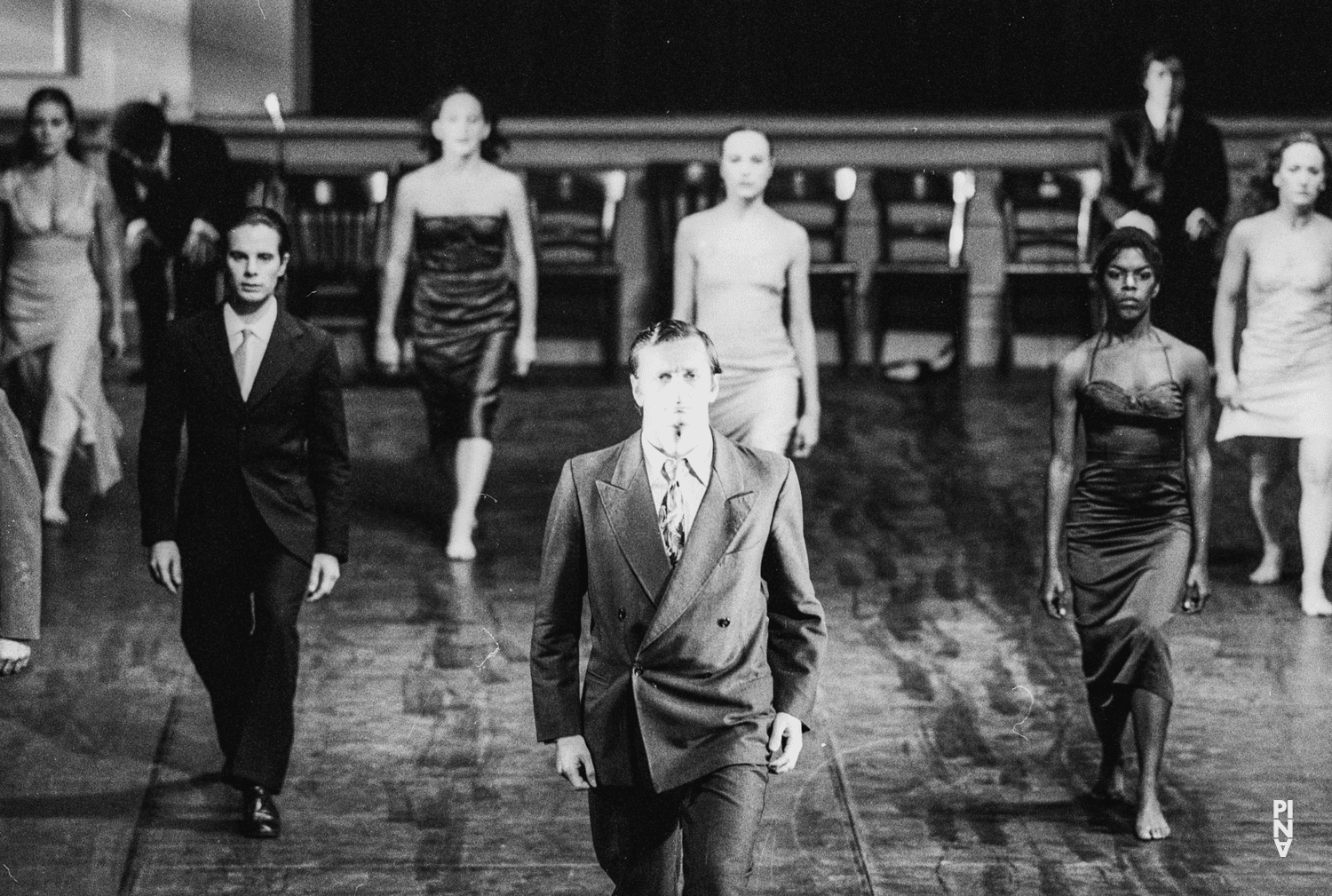
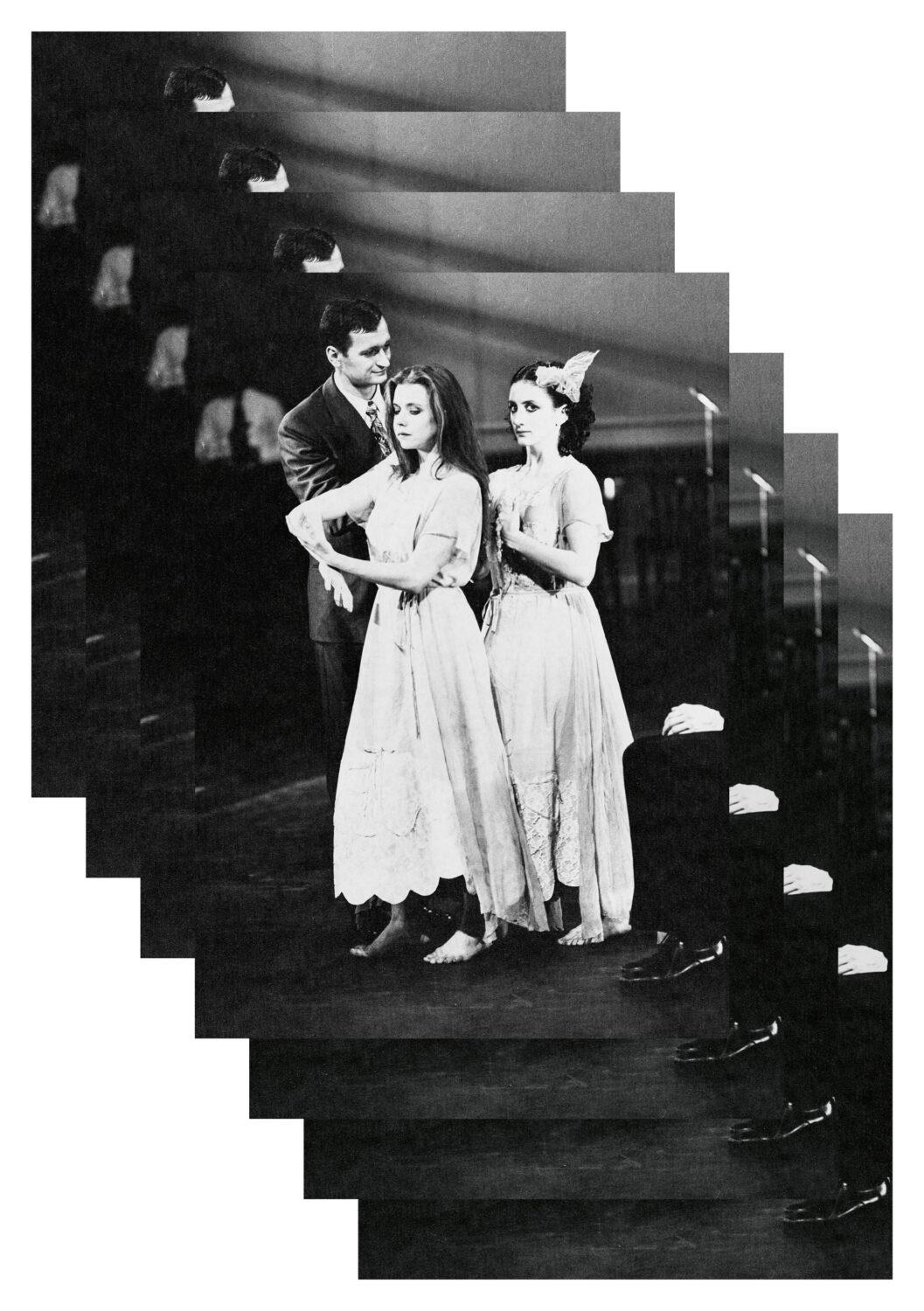
Elisabeth was blown away by Pina Bausch’s triple bill Frühlingsopfe (Rite of Spring). For her, Wind von West, part one, was the most beautiful thing ever, and the choreography for Le Sacre du printempsThe Rite of Spring, part three, the most perfect piece she had ever seen. In 1976 Pina Bausch asked her to join her dance theatre company in Wuppertal, where she was part of the original cast for The Seven Deadly Sins, Bluebeard. While Listening to a Tape Recording of Béla Bartók's Opera "Duke Bluebeard's Castle", Kontakthof, Komm tanz mit mir and Arien. Clarke was fascinated by Pina Bausch’s ability to get to the bottom of things, and her approach to pain. “If you embrace it, it’s a source of strength and beauty. If you resist it, it remains solely a wound,” Clarke says. She became one of the defining faces of the company, staying till the 1978/79 season. When she had the feeling she had learned as much as she could, she left Wuppertal, but often returned as a guest performer. Alongside this, she passed on her theatrical and dance experience as a teacher, co-created theatre productions including Der Streit, at Schauspiel Köln (1984), Das öffentliche Ärgernis, at Schauspiel Wuppertal (1988), Medea, at Studiobühne Köln (2007), and Blut am Hals der Katze (2008), and choreographed Jedermann and Die Riesen vom Berge for the Salzburg Festival. In 2024 she returned to Wuppertal one last time to perform in a new version of Kontakthof created by Meryl Tankard, one of eight dancers from the original cast.
Text: Norbert Servos
Translation: Steph Morris
Gallery
1 / 8
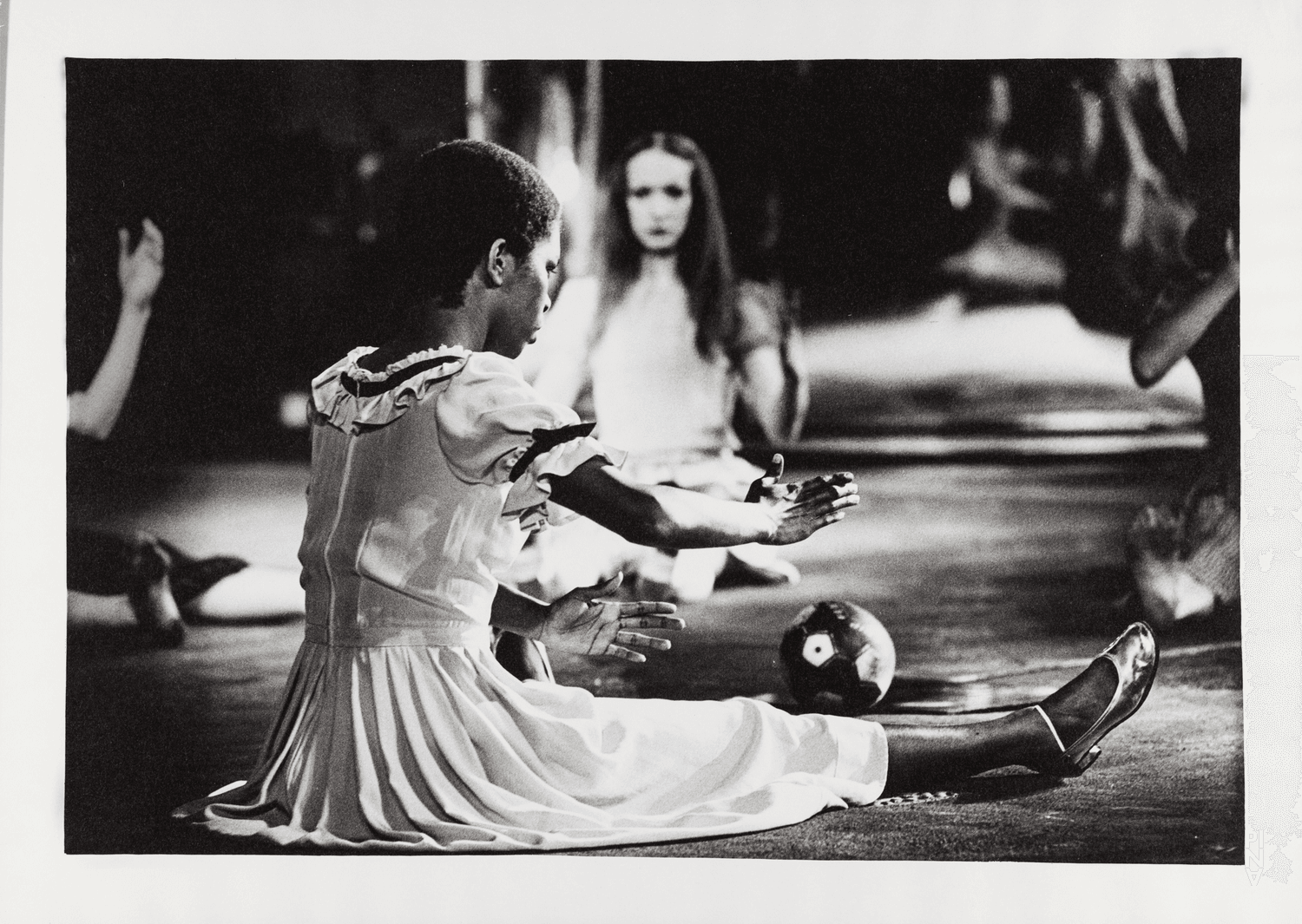
Elisabeth Clarke in “Come Dance With Me” by Pina Bausch
Photo: Ulli Weiss © Pina Bausch Foundation, Ulli Weiss
Recommendations
From the Pina Bausch Archives
Elisabeth Clarke
Premieres
Season 1975/76
Season 1976/77
Season 1976/77
Season 1978/79
Season 1978/79