

















John Giffin

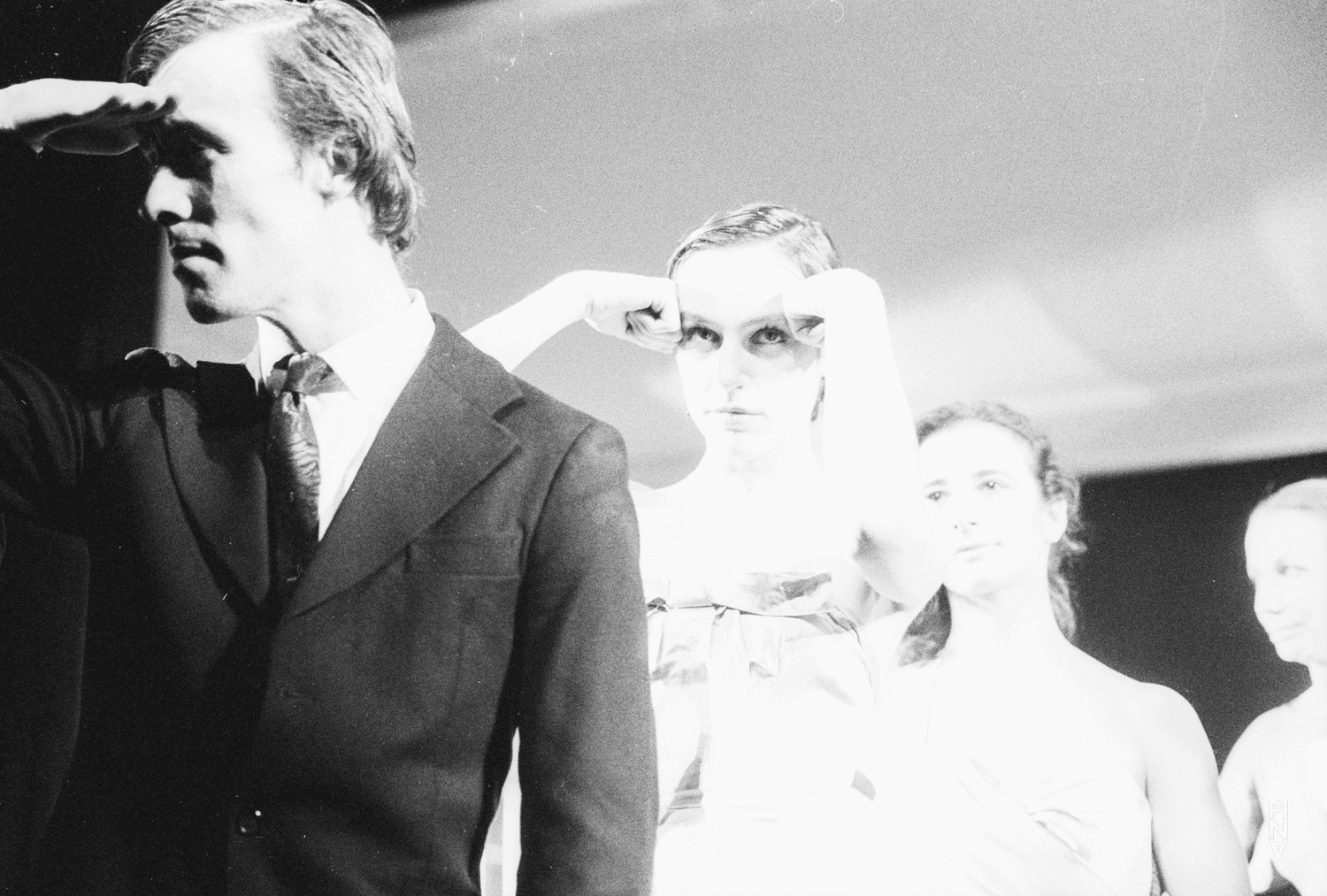
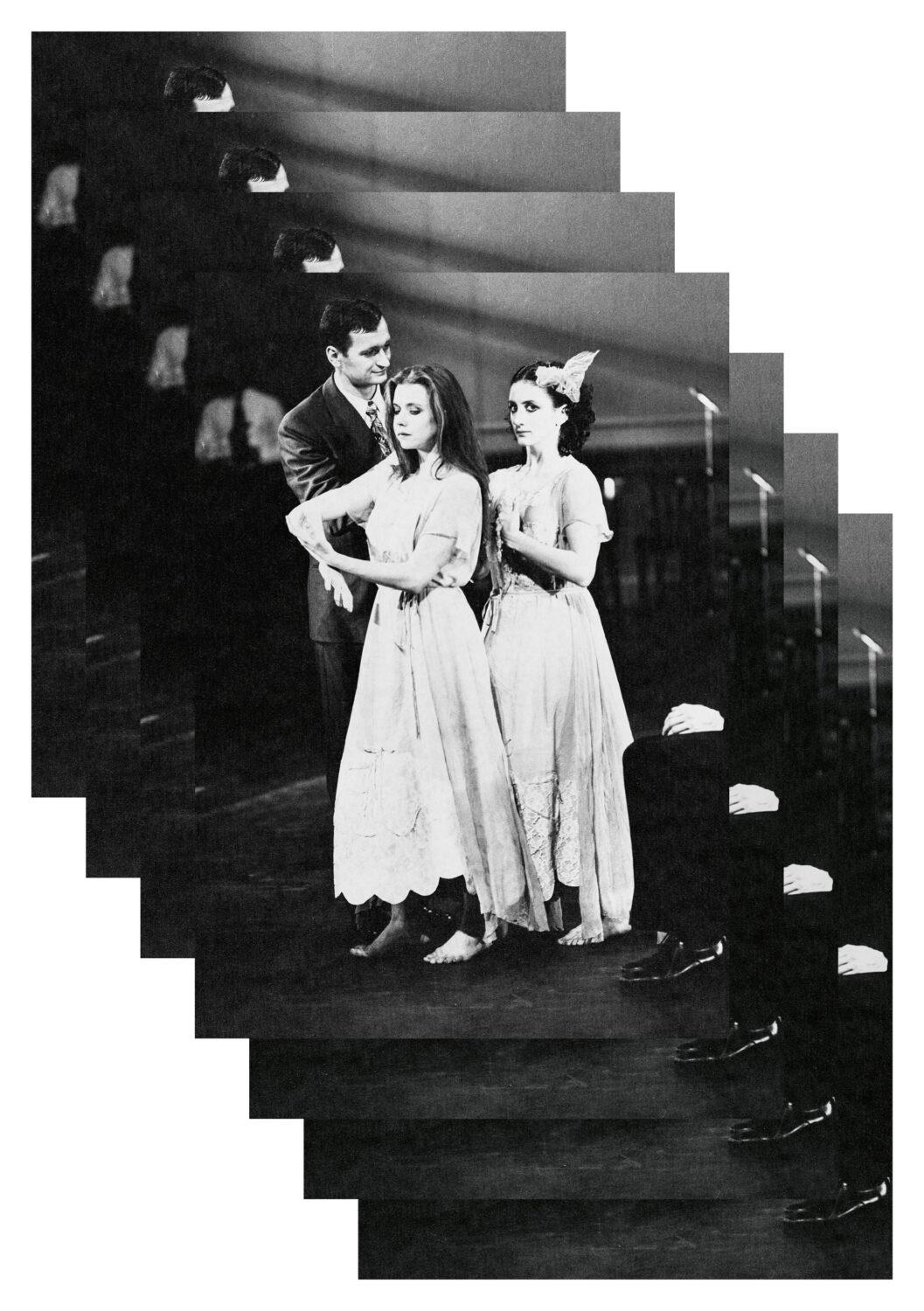
John Giffin, Anne Martin and Beatrice Libonati in “Kontakthof” by Pina Bausch
Information
| 1973 | begin of collaboration with Pina Bausch |
Biography
John Giffin, born 1946 in Akron, Ohio, USA, began dancing at the age of four with tap dance. Ultimately it was Rudolf Nureyev who inspired him to make dance his profession. Following initial dance lessons in his hometown, in 1964 he was admitted to the Juilliard School in New York, where a few years earlier Pina Bausch had studied. His teachers included Lucas Hoving, Anna Sokolow and Antony Tudor, who was strongly influence by Kurt Jooss, and saw dance above all as an expression of deep emotion. After receiving a Bachelor of Fine Arts in 1968, he danced in the New Haven Ballet, the Pittsburgh Ballet, with Les Grands Ballets Canadiens in Montreal as well as in various modern companies. Because he liked the Bournonville ballet style, he moved to Denmark and eventually taught at the school of Nini Theilade, a former dancer at the Ballets Russes de Monte Carlo. Yet really he was called to Germany. He danced at the theatres in Nuremburg (1971/72) and Freiburg (1972/73), but being deployed in operas and operettas alongside appearances in choreographed works was not what he was looking for.
Arriving
The labour exchange sent him for an audition with Pina Bausch, who was looking for dancers for the work she was beginning in Wuppertal and took him on. This meant he was one of the dancers who were with her from the start. But the early days in Wuppertal were not easy. Pina Bausch’s opening work, Fritz, performed along with Agnes de Mille’s Rodeo and Kurt Jooss’ The Green Table, upset the audience, who were accustomed to classical ballet, provoking vocal protests. She tested out various forms, choreographing the revue Zwei Krawatten Zwei Krawatten (‘two ties’), as well as the Gluck opera Iphigenie auf Tauris. The difficult start caused a high turnover within the ensemble, and although he rated the work, Giffin also felt he wanted to try something different again.
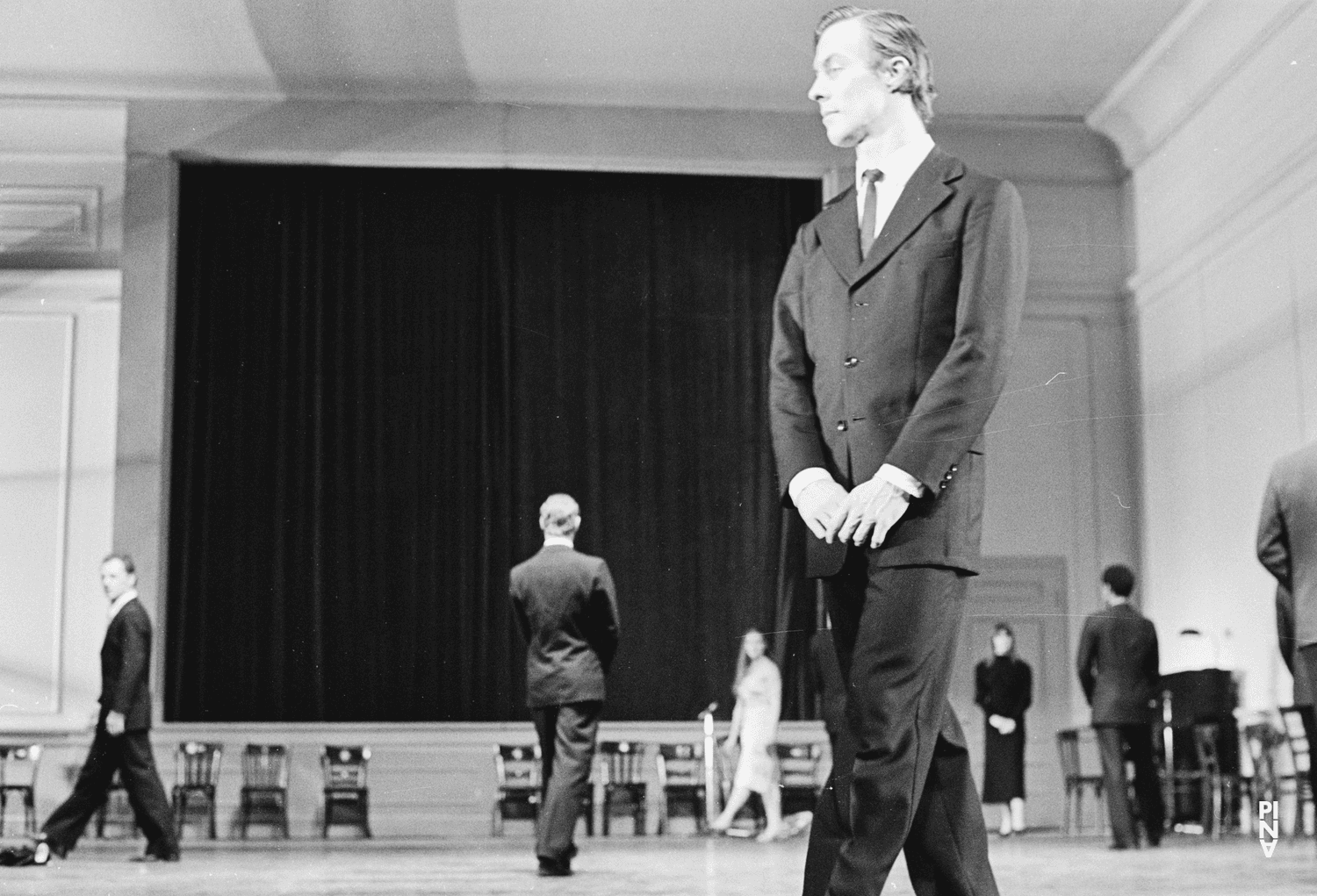
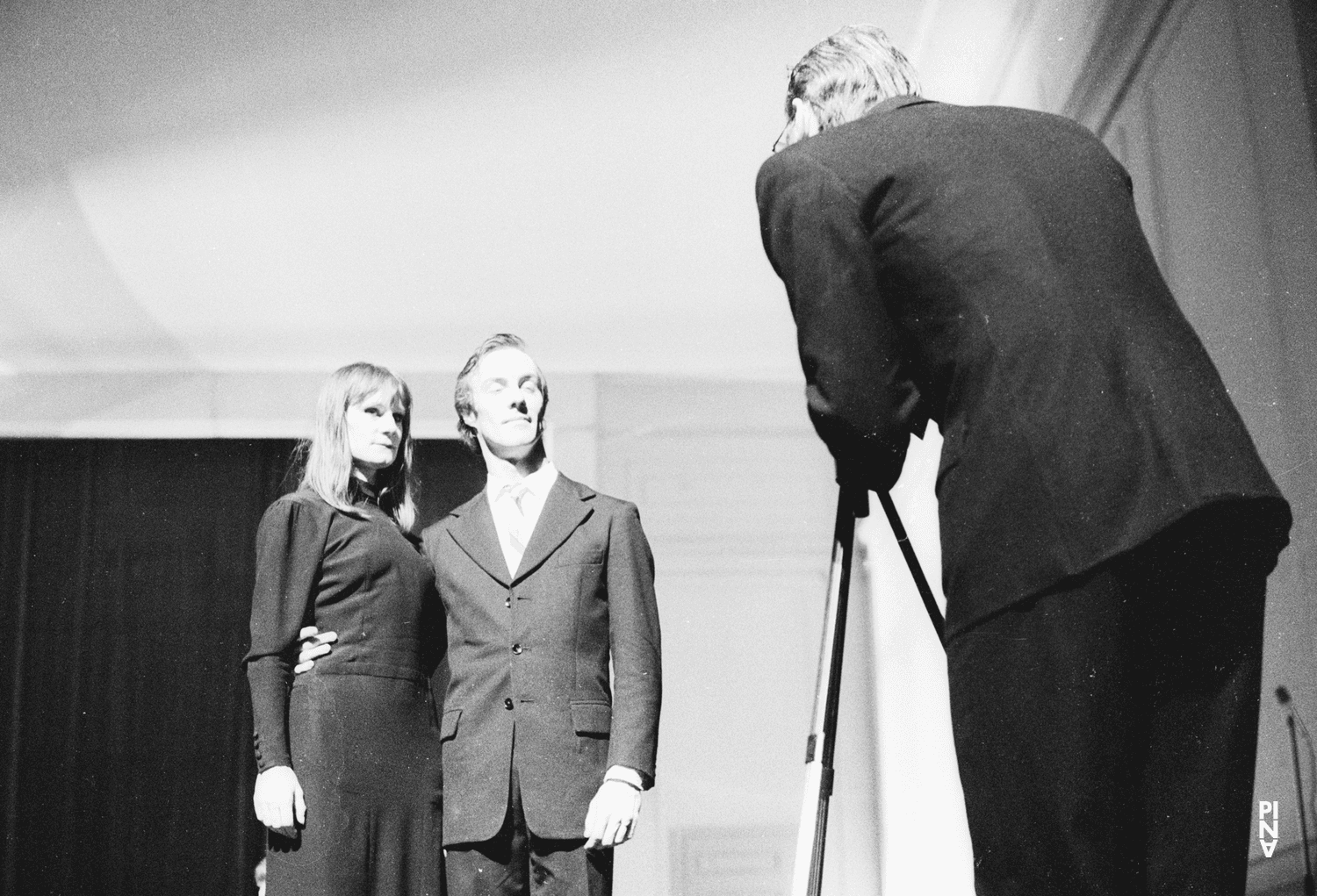
In 1974/75 he danced for the Agnes de Mille Heritage Dance Theatre in New York and spent 1975/76 in Nuremberg again, before returning to Wuppertal for the 1976/77 season. Despite tensions within the ensemble Pina Bausch continued with her search for a genuine form for dance theatre. Bluebeard grew to be Giffin’s favourite piece. By now thirty, he felt better equipped for this work, which demanded more mature dancers, prepared to show some vulnerability. Equally, Pina Bausch gave dancers the freedom to be themselves on stage. Giffin was also in the original cast of Komm tanz mit mir (Come dance with me), Renate wandert aus (Renate Emigrates) , Kontakthof and Arien. After three further years in Wuppertal, however, he felt exhausted emotionally and left the company at the end of the 1978/79 season.
Back home
In 1980/81 he danced on Broadway in the musical Brigadoon, and in 1983 received a Master of Arts degree at Ohio State University, in Colombus Ohio. He was appointed professor of dance and taught ballet, choreography, dance notation and repertoire. At the same time he came to prominence as a choreographer, receiving funding from the National Endowment for the Arts, the Ohio Arts Council as well as the Greater Columbus Arts Council. Along with Victoria Uris, in 2009 he directed Igor & Svetlana, premiered during the Dance on Camera festivals at the Lincoln Center in New York. For the forty-year anniversary of the Tanztheater Wuppertal in 2013, he reconstructed Wind von West (Wind from the West) and Der zweite Frühling (The Second Spring) for the Pina Bausch Foundation, the two pieces which originally belonged to the triple bill Frühlingsopfer (Rite of Spring). In 2024 he appeared one more time on stage in Wuppertal, in Meryl Tankards](/id/meryl_tankard)’s Kontakthof – Echoes of ’78. John Giffin is now a professor emeritus in the OSU Department of Dance.
Text: Norbert Servos
Translation: Steph Morris
Gallery
1 / 5
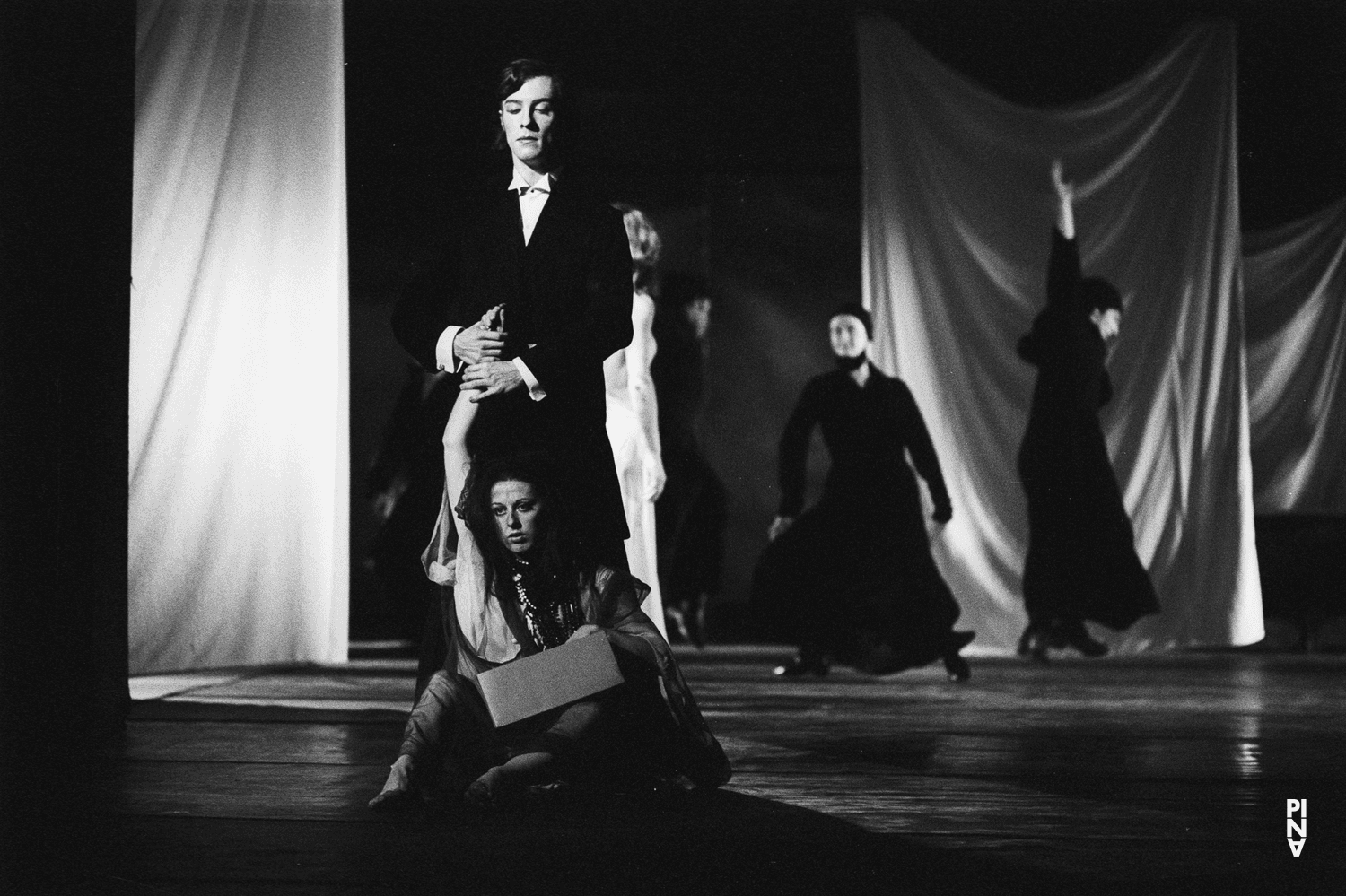
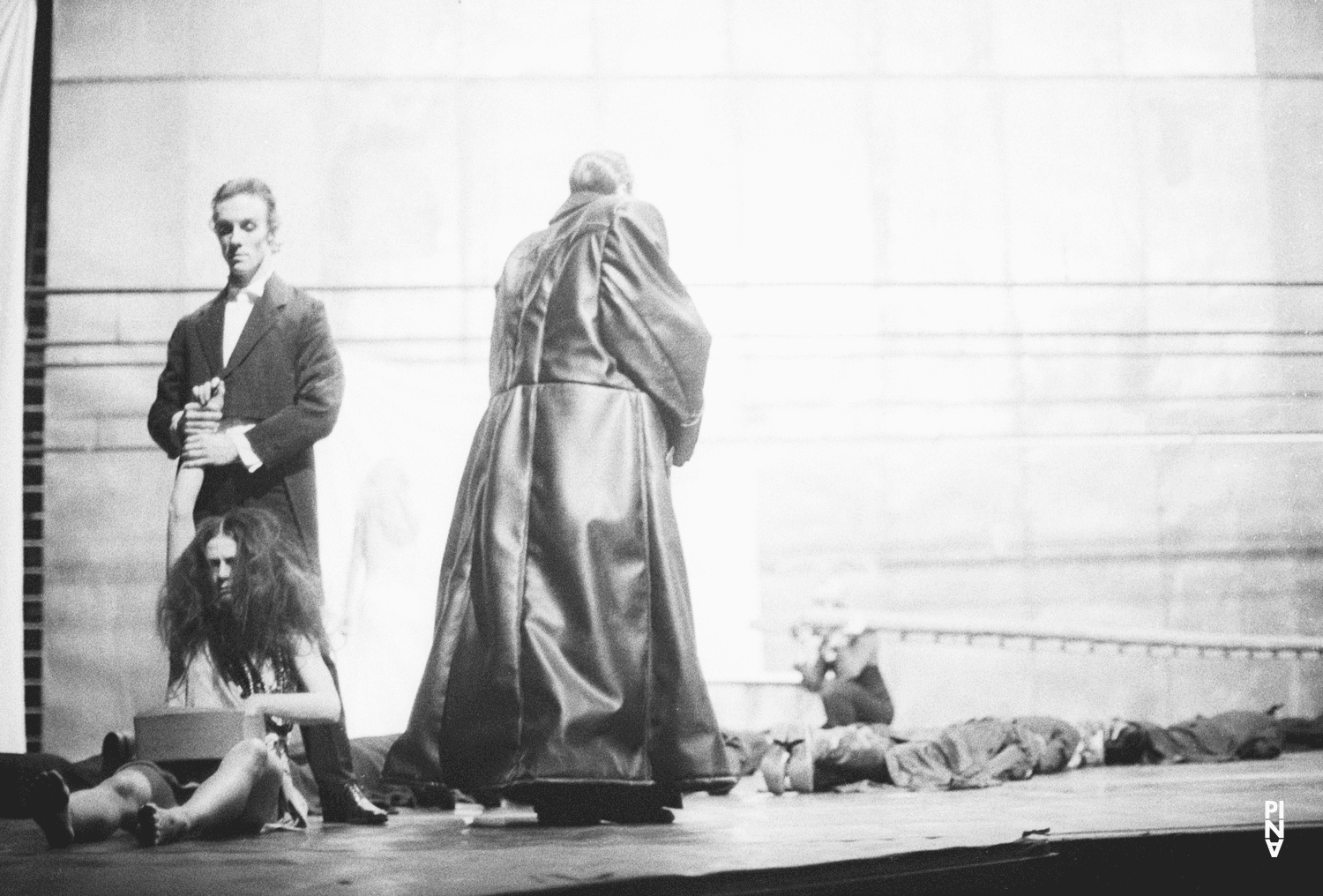
Colleen Finneran-Meessmann in “Iphigenie auf Tauris” by Pina Bausch with Tanztheater Wuppertal at Opernhaus Wuppertal (Germany), April 20, 1974
Photo: Vicente del Amo
Recommendations

From the Pina Bausch Archives
John Giffin
Premieres
Season 1973/74
Season 1973/74
Season 1973/74
Season 1976/77
Season 1976/77